Allergies and Indoor Air on Colorado's Front Range: A Season-by-Season Guide
From spring tree pollen to wildfire smoke and dry winter air, here's what affects indoor air around Louisville each season and practical steps to breathe easier at home.
Colorado's sunshine and dry air are a big part of its appeal, but for people with allergies, asthma or sensitive sinuses in Louisville, Superior and Lafayette, the Front Range has its own challenges. Here's what to watch each season and how to keep the air inside your home cleaner.
Season by season
Spring (March to June): tree pollen and wind
Elm, juniper, cottonwood, ash, oak and maple release pollen from late winter through spring. Cottonwood fluff fills the air along creeks and rivers in late spring. Strong spring winds carry pollen and dust long distances.
Summer (June to September): grass pollen and wildfire smoke
Grass pollen peaks in early summer. Wildfire smoke from Colorado and other western states often drifts over the Denver metro and can push air quality into unhealthy ranges for days. Ozone levels can also rise on hot afternoons.
Fall (August to October): weeds
Ragweed, sagebrush and other weeds bloom in late summer and fall, and smoke can continue into the fall fire season.
Winter (November to March): dry air and indoor allergens
Furnaces run for months, and indoor air can get very dry. Dry air can irritate sinuses and throats, and with windows closed, indoor allergens like dust, dust mites and pet dander make up more of what you breathe. Wood smoke from fireplaces and stoves can add fine particles too.
How outdoor allergens and smoke get inside
- Through open doors and windows
- On clothing, shoes, hair and pets
- Through gaps around windows, doors and attic access
- Through leaky ducts in attics and crawl spaces
Once inside, particles settle and get pulled into return vents. A loose or overdue filter lets some of them into the ductwork, where they get blown back out whenever the system runs.
Practical steps to improve indoor air
- Change the HVAC filter regularly, every 1 to 3 months, and right after a heavy smoke event.
- Use the best filter your system is rated for during smoke season, and consider a portable HEPA air purifier for bedrooms.
- Keep windows closed on high pollen and smoke days.
- Add humidity in winter if your home is very dry; aim for about 30% to 40%.
- Wash bedding weekly in hot water and vacuum with a HEPA vacuum.
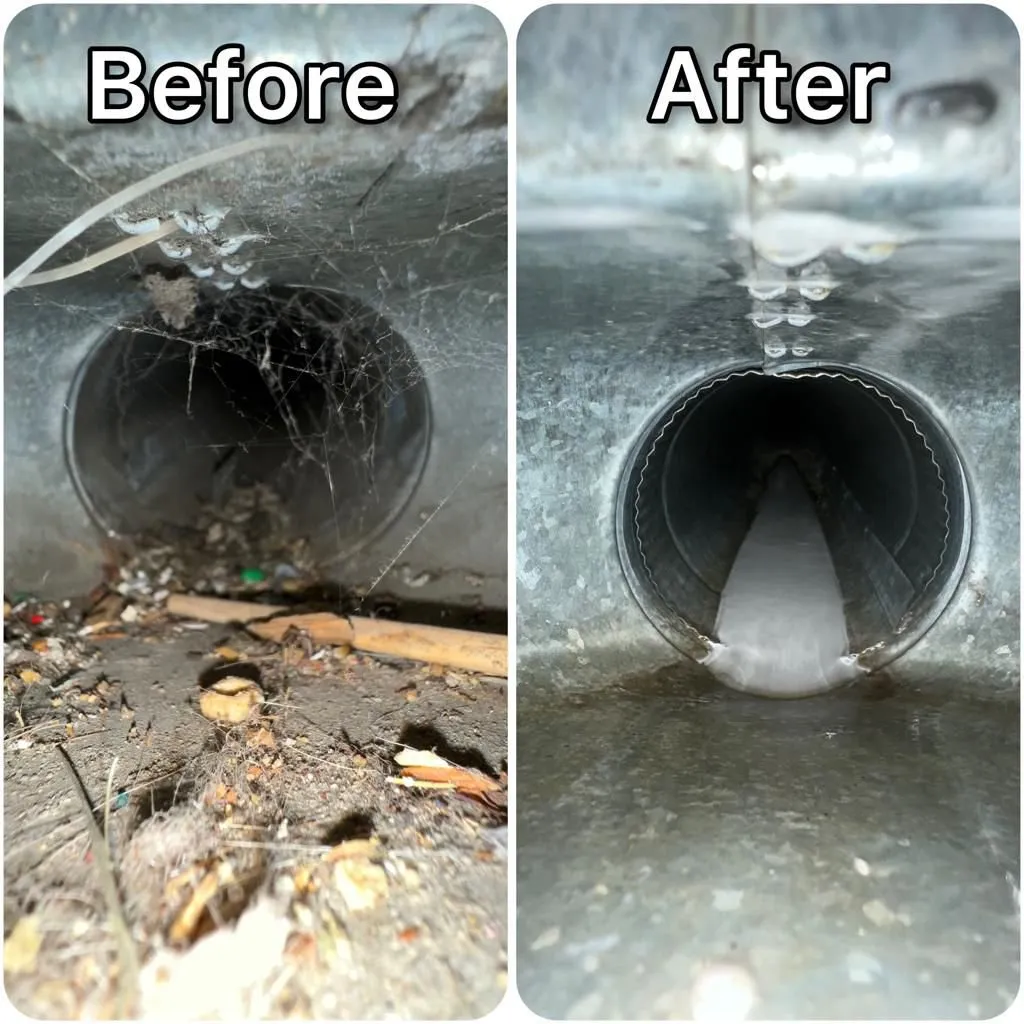
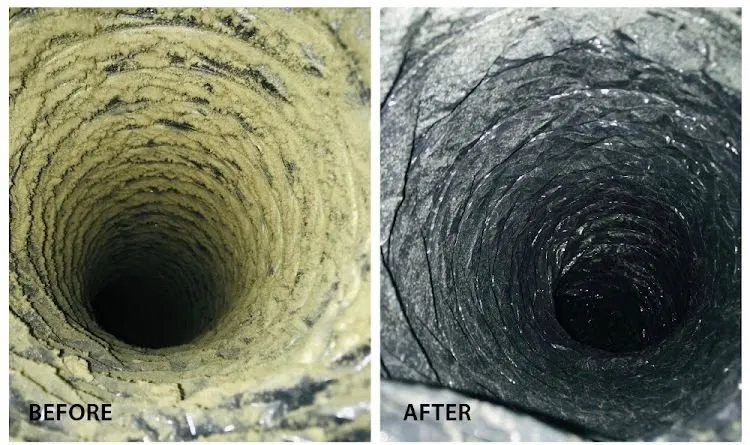
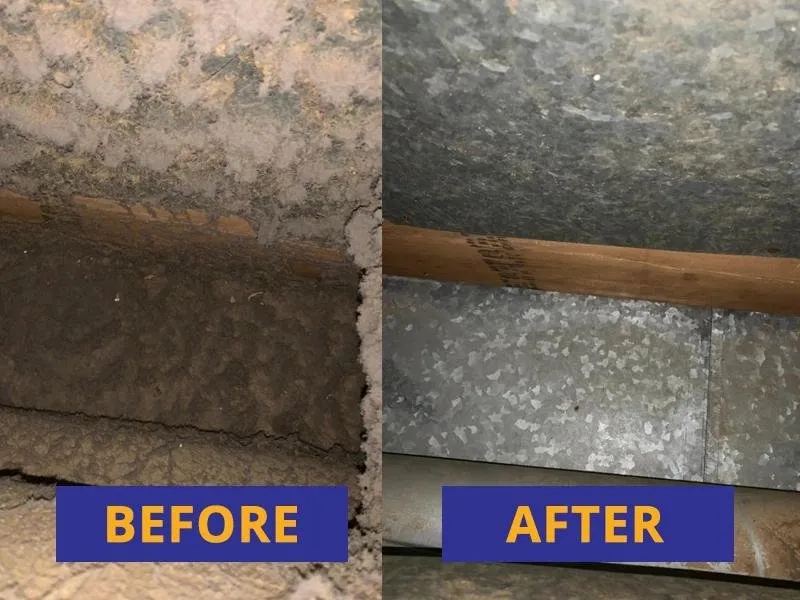
- Have the ductwork cleaned after renovations, wildfire smoke exposure, or when there's visible dust and debris.
Can duct cleaning help?
Duct cleaning removes dust, pollen, pet dander, smoke residue and debris that has built up in your system. It isn't a medical treatment, and the EPA notes that research on health effects is limited. But many homeowners notice less dust and fresher air afterward, especially after smoke exposure.
Get your ducts cleaned
American Air Duct Cleaning of Louisville offers air duct cleaning for $199 per HVAC unit with unlimited vents, including roto-brush and HEPA vacuum cleaning. Call (720) 903-2190 or request a free estimate.